FULGURITE
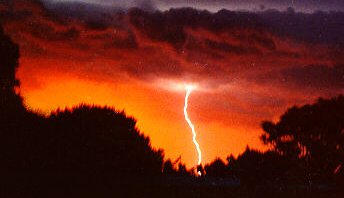
Lechatelierite Var. Fulgurite is the varietal name given to fused Quartz, Si02, which has been fused by the action of lightning striking the Earth and locally melting the sand. The best known Fulgurites are found in Quartz sands, where the Fulgurites take the form of tubes, sometimes exceeding a half inch or more in diameter. This type of formation is called a Sand Fulgurite. As the lightning strikes the Earth and courses downward through the sand, the sand is instantly super heated (i.e., melted and fused). After cooling, glass-like hollow tubes (Fulgurites) can sometimes be located beneath the surface of the sand, generally decreasing in diameter and sometimes branching as they descend, sometimes extending for several feet. The outer surfaces sand fulgurites are often rough with adhering, unfused Quartz sand grains. The inner surfaces and openings of the tubes are usually smooth and glassy, in some specimens resembling an applied glaze, sometimes with blister-like bubbling present. Rock Fulgurites are formed when lightning strikes the surface of a rock, melting and fusing the surface, and sometimes the interior of the rock. The melting point of Si02 is 2950oF. The color of the glassy, fused Si02 varies from pale gray, to smoky gray, to shiny black. The name Fulgurite is from the Latin: FULGUR (lightning).
|
